Charge at home overnight instead of hunting for a public station
A Level 2 charger in your garage turns charging into something you stop thinking about. You plug in when you get home, and the car is full every morning. Compare that to a standard wall outlet. Level 1 charging on 120 volts adds roughly three to five miles of range per hour, which means a nearly empty battery can take two full days to recover. A properly installed 240-volt Level 2 circuit cuts that to an overnight job.
We install charging equipment for every major vehicle on the road in Central Florida: Tesla, Ford, Chevrolet, Hyundai, Kia, Rivian, BMW, and the rest. Whether your charger uses the Tesla connector or the J1772 standard that everyone else uses, the electrical work behind the wall is what determines whether the install is safe, code-compliant, and going to last.
Level 2 charger options for your garage
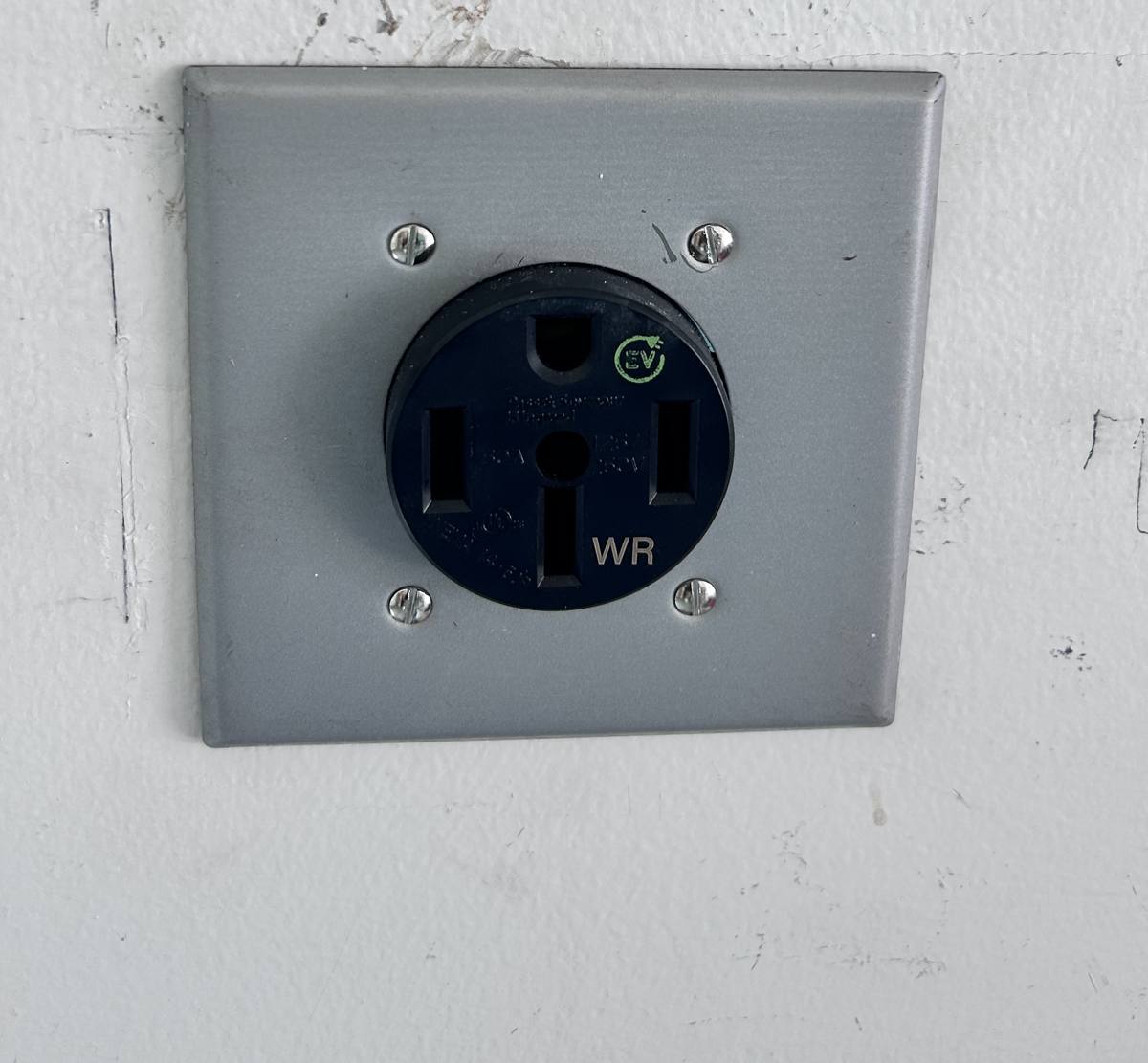
NEMA 14-50 outlet
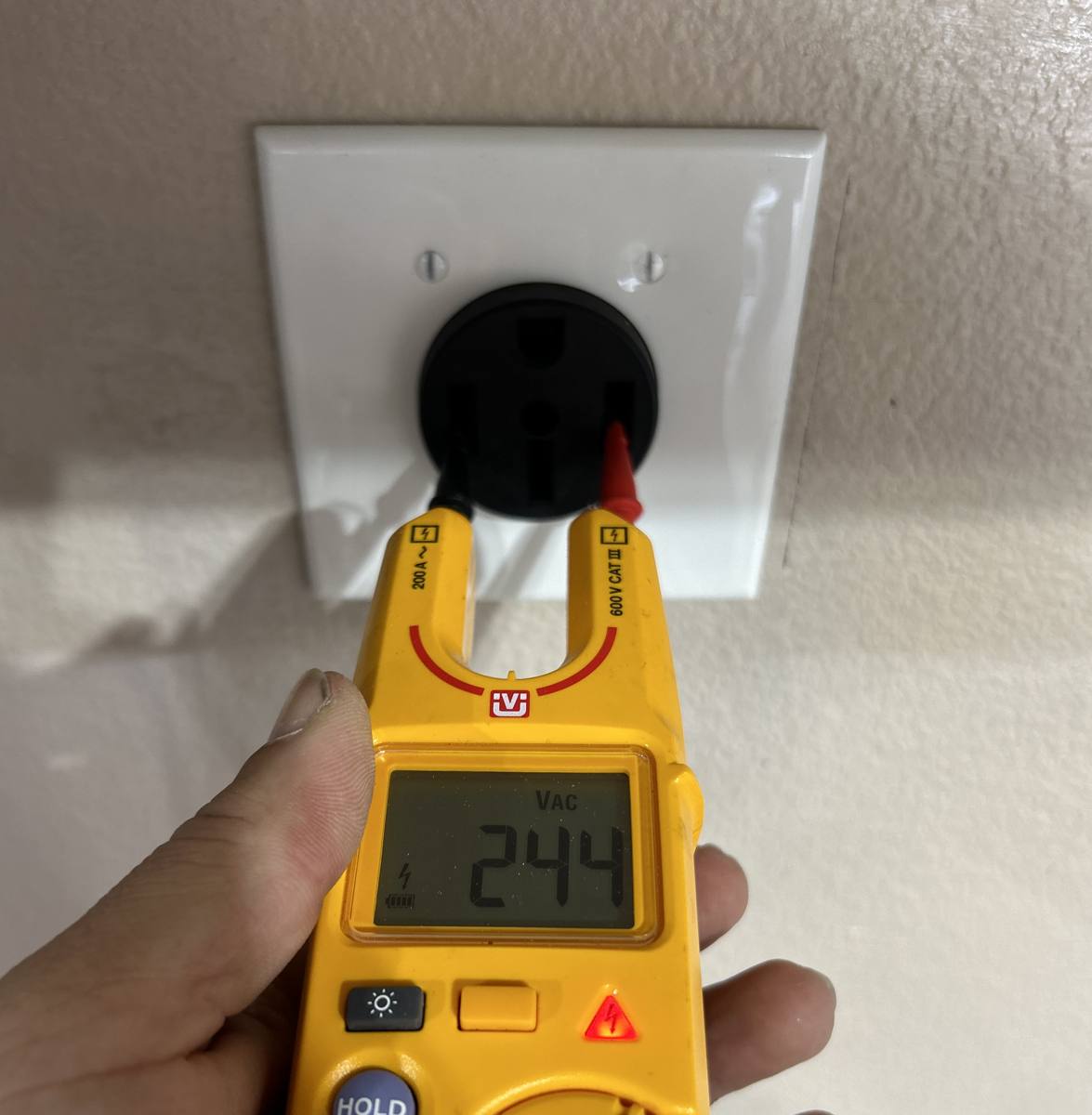
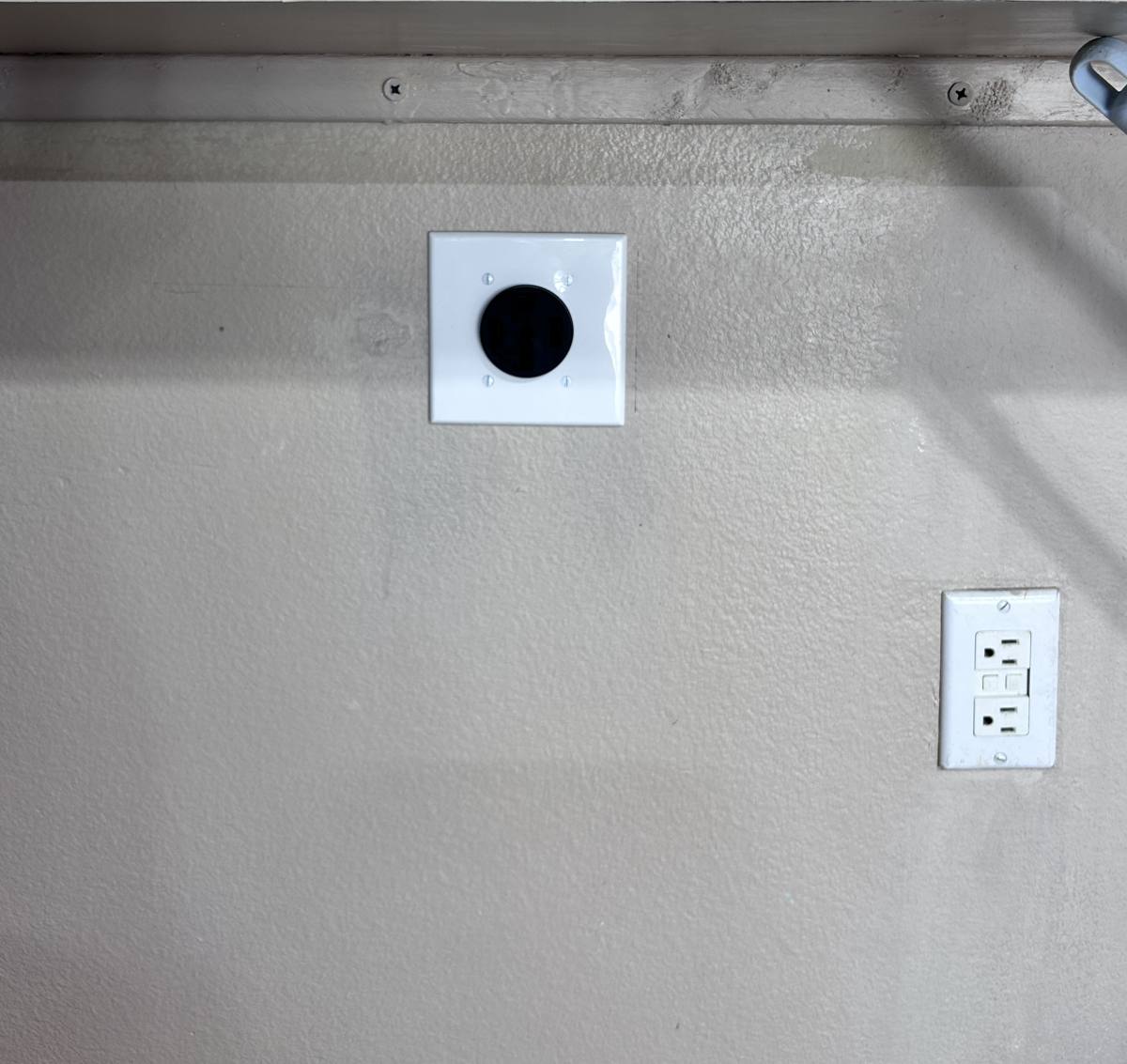
A 240-volt receptacle, the same style used for an electric range, mounted in the garage on its own dedicated 50-amp circuit. Your car's portable charging cord plugs straight in. It's the flexible option: take the charger with you when you move, or swap vehicles without touching the wiring. Current code requires GFCI protection on this circuit, which is one of the most common things we find missing on installs done by someone unlicensed.
Hardwired wall charger
The charging unit mounts permanently to the wall and wires directly into a dedicated 50-amp circuit. No receptacle, no plug. It's what most manufacturers recommend for their equipment, there's one less connection point to fail over the years, and the cord management is cleaner in a tight Villages garage. A hardwired Tesla Wall Connector is the most common version of this we install.
Detached golf cart garage installs
Plenty of homes up here have a separate golf cart garage, and that's often the most convenient place to park and charge an EV. That install involves running a circuit to a detached structure, which brings its own code requirements for the feeder, disconnect, and grounding at the second building. It's very doable. It's just not the same job as a charger on the wall ten feet from the panel, and it should be priced and permitted accordingly.
Before anything gets mounted, we do a load calculation. Adding a 50-amp EV circuit to a panel that's already near capacity is how you end up with nuisance tripping, or worse. If your service can't carry it, we'll tell you straight, and a panel upgrade becomes part of the conversation instead of a surprise six months later.
What's involved in a proper EV charger install
- Load calculation on your existing service to confirm the panel can carry the new circuit.
- A dedicated 240-volt circuit sized to the charger: correct breaker, correct wire gauge, no sharing with anything else.
- Conduit and wire routing from the panel to the charging location, run cleanly and secured properly, whether that's across a garage wall or out to a detached structure.
- GFCI protection where the code requires it, which for receptacle-based installs is now standard.
- Mounting and commissioning the charger, then testing under actual load before we call it done.
- Permit and inspection pulled under our Florida Certified Electrical Contractor license, EC13002807.
Why the permit matters more than people think
An EV charger is one of the largest continuous loads you can add to a house. Unlike a dryer that runs for an hour, a charger can pull near its maximum for eight hours straight, which is exactly why the code treats it as a continuous load and sizes the circuit accordingly. That's not a detail worth skipping.
Beyond the safety side, an unpermitted install can create real problems later, with your homeowner's insurance if there's ever a claim, and on your inspection report when you sell. Every charger we install is permitted and inspected. It's not the fast way. It's the right way, and it costs less than doing it twice.
Serving The Villages, Sumter, Marion & Lake County
We install EV chargers throughout The Villages, all districts, plus Leesburg, Lady Lake, Fruitland Park, Summerfield, Wildwood, Oxford, Belleview, Ocala, and the surrounding communities. If you're in Sumter, Marion, or Lake County and you're not sure whether we reach you, call and ask.